
Every spring, the same conversation happens. Residents start complaining, calls come in, and property managers scramble. The thing is, 2026 is shaping up to be worse than most.
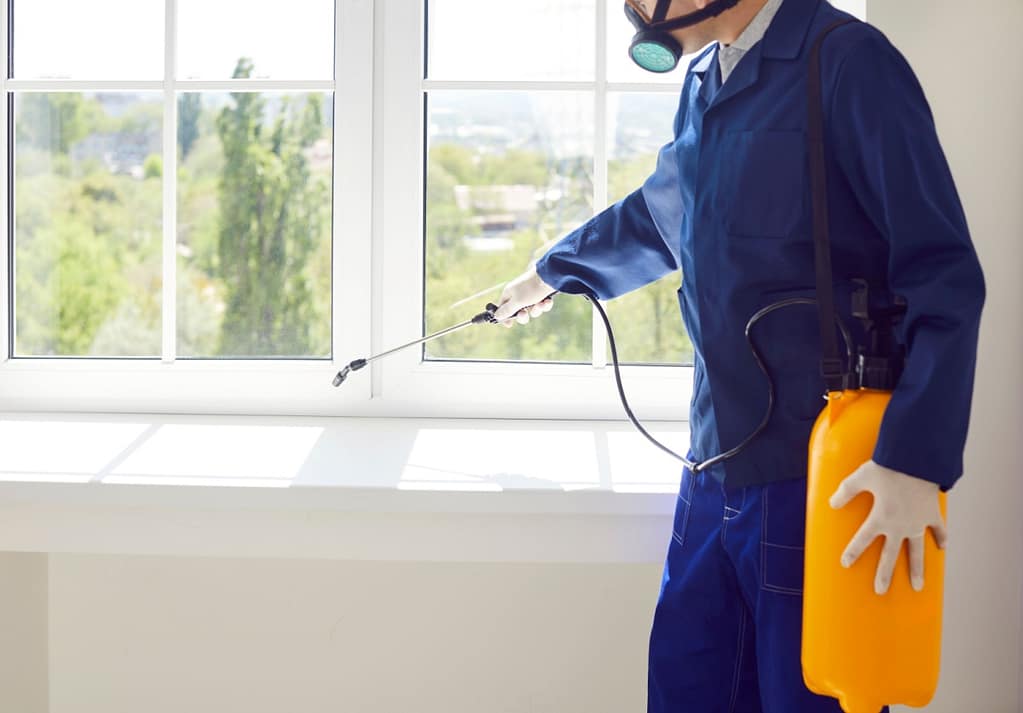
The National Pest Management Association just dropped its Spring and Summer 2026 Bug Barometer, and the numbers aren’t exactly comforting.
What the Bug Barometer Actually Shows
The NPMA’s forecast doesn’t pull punches. This past winter, despite feeling brutal to most people, actually worked in pests’ favor. Snow cover insulated the ground, giving insects a protective layer to survive beneath the surface. That means populations didn’t take the hit they normally would during a harsh winter.
The regional breakdown tells a pretty telling story:
In the Mid-Atlantic and New England, a mild start to winter paired with a drier spring is pushing termites, brown marmorated stink bugs, and Asian lady beetles to emerge ahead of schedule. Ticks and stinging insects are expected to follow as temperatures climb.
The Southeast is bracing for a warm, wet spring that creates near-ideal conditions for termites, mosquitoes, and ants to surge earlier than prior years.
Out in the South Central region covering areas like Mississippi, Tennessee, and Arkansas, a cold winter followed by a mild, damp spring sets up termites, ticks, and mosquitoes to move fast. Heavy summer rains will only compound things.
You can read the full forecast directly from the NPMA here: pestworld.org
Why “We’ll Handle It When It Comes Up” Doesn’t Work Anymore
Here’s the honest reality. Reactive pest management made sense when infestations were predictable and slow-moving. That’s not the world property managers live in now.
Jarrod Haneline, who works in client success at Pest Share, sees this pattern play out regularly. The properties that struggle most aren’t the ones dealing with the worst infestations. They’re the ones that didn’t have a process in place ahead of the season. By the time a resident puts in a formal pest control request, you’re already behind.
The 2026 forecast makes a strong case for getting ahead of the curve. When the NPMA signals that pests are emerging sooner and in higher volumes across nearly every U.S. region, that’s not background noise. That’s operational information.
What Property Managers Should Be Thinking About Right Now
February and March are genuinely the right window to assess where things stand. Not April. Not when the first pest control request rolls in.
Jarrod Haneline’s perspective, shaped by working inside a platform built specifically around this problem, is straightforward: coordination is everything. Knowing who handles what, how fast a request gets processed, and whether residents have a clear path forward, those details determine how a pest season actually goes for a property.
The Bug Barometer gives us the “what.” The real question is whether the systems are in place to handle it.
Leave a Reply